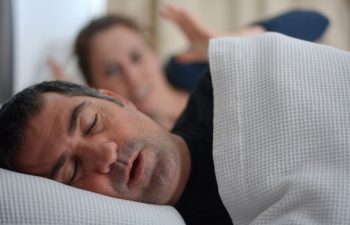
You might not expect your dentist to ask about your sleep habits, but that conversation could be one of the most important health discussions you have this year. Sleep apnea affects millions of Americans, and many don’t realize that dental professionals play a crucial role in both identifying and treating this common condition. If you’ve been told you snore loudly, wake up exhausted despite a full night’s rest, or find yourself fighting drowsiness throughout the day, it may be time to explore how dental treatment can help.
At Livingston Family Dental, Dr. Nathan Patel works with patients throughout Livingston, Walker, and Denham Springs to address sleep-related breathing disorders that impact overall health and quality of life. Understanding your options starts with recognizing the signs.
What Exactly Is Sleep Apnea?
Sleep apnea is a condition where breathing repeatedly stops and starts during sleep. The most common form, obstructive sleep apnea (OSA), occurs when throat muscles relax too much during sleep and temporarily block the airway. These pauses in breathing can happen dozens or even hundreds of times per night, often without the sleeper fully waking or remembering the interruptions.
Each time breathing stops, oxygen levels drop and the body experiences stress. The brain sends signals to wake up just enough to restore airflow, which fragments sleep and prevents the deep, restorative rest your body needs. Over time, this pattern takes a serious toll on both physical and mental health.
Warning Signs You Shouldn’t Ignore
Many people dismiss the symptoms of sleep apnea as normal aging, stress, or simply being a “bad sleeper.” However, recognizing these warning signs can lead to treatment that dramatically improves daily life:
- Loud, Chronic Snoring: Snoring that disturbs your partner or can be heard from another room often indicates airway obstruction during sleep.
- Gasping or Choking During Sleep: Waking suddenly with a sensation of choking or gasping for air signals breathing interruptions.
- Excessive Daytime Sleepiness: Feeling exhausted despite spending adequate time in bed, struggling to stay awake during meetings, while driving, or during quiet activities.
- Morning Headaches: Waking with headaches that improve as the day progresses can result from oxygen deprivation during sleep.
- Difficulty Concentrating: Brain fog, memory problems, and trouble focusing often accompany poor sleep quality.
- Mood Changes: Irritability, depression, and anxiety frequently worsen when sleep is chronically disrupted.
- Dry Mouth Upon Waking: Breathing through an open mouth during sleep—common with airway obstruction—causes morning dry mouth.
If several of these symptoms sound familiar, discussing them with your dentist during your next visit could be the first step toward better sleep and better health.
Why Sleep Apnea Matters for Your Overall Health
Untreated sleep apnea does more than make you tired. Research links this condition to serious health complications including high blood pressure, heart disease, stroke, type 2 diabetes, and weight gain. The repeated drops in oxygen and surges of stress hormones throughout the night strain the cardiovascular system and disrupt metabolic function.
Beyond physical health, sleep apnea affects relationships, work performance, and safety. Drowsy driving causes thousands of accidents annually, and chronic fatigue diminishes quality of life in ways that ripple through every aspect of daily living.
How Your Dentist Can Help
While sleep studies and physician involvement remain important for diagnosing sleep apnea, dentists trained in sleep medicine offer treatment options that many patients find more comfortable and sustainable than traditional approaches.
The most common medical treatment for sleep apnea is CPAP (continuous positive airway pressure), which delivers air through a mask worn during sleep. While effective, many patients struggle with CPAP compliance due to mask discomfort, noise, or the inconvenience of traveling with equipment.
Oral appliance therapy provides an alternative that works well for many patients with mild to moderate obstructive sleep apnea. These custom-fitted devices resemble sports mouthguards and work by repositioning the lower jaw and tongue to keep the airway open during sleep. Because they’re small, quiet, and portable, patients often find them easier to use consistently.
Dr. Nathan Patel, a graduate of LSU School of Dentistry with certifications in advanced dental techniques, works with patients to determine whether oral appliance therapy might be appropriate for their situation. The process begins with a thorough evaluation of your symptoms, health history, and oral structures.
What to Expect from Oral Appliance Therapy
If you’re a candidate for a dental sleep device, the process is straightforward and non-invasive:
- Evaluation: Dr. Patel examines your teeth, jaw, and airway anatomy to assess whether an oral appliance could be effective for your specific situation.
- Custom Fitting: Impressions or digital scans of your teeth allow for creation of a precisely fitted device. Unlike over-the-counter options, custom appliances are designed for your unique anatomy.
- Adjustment Period: Most patients adapt to wearing their appliance within a few weeks. Minor adjustments may be made to optimize comfort and effectiveness.
- Follow-Up Care: Regular check-ins ensure the device continues fitting properly and working effectively. Your dentist monitors for any changes in your teeth or bite that might require attention.
Benefits of Treating Sleep Apnea
Patients who successfully treat their sleep apnea often describe the improvement as life-changing. Benefits commonly reported include waking feeling genuinely rested, having energy that lasts throughout the day, improved concentration and mental clarity, better mood and reduced irritability, decreased snoring (which partners appreciate), and lower blood pressure in some cases.
These improvements extend beyond individual health. Relationships benefit when both partners sleep better, work performance improves with sharper focus, and the risks associated with drowsy driving decrease significantly.
Is Oral Appliance Therapy Right for You?
Oral appliances work best for patients with mild to moderate obstructive sleep apnea, though they may also help those who cannot tolerate CPAP therapy. Factors that influence whether this treatment is appropriate include the severity of your condition, your jaw and dental health, and your personal preferences regarding treatment.
Dr. Patel’s patient-centered approach means treatment recommendations are tailored to your individual circumstances. As a member of the American Dental Association and Academy of General Dentistry, he stays current with the latest research and best practices in dental sleep medicine.
Taking the First Step
If you suspect sleep apnea might be affecting your health and quality of life, bringing it up at your next dental appointment is easier than you might think. Dr. Patel and the team at Livingston Family Dental create a comfortable, judgment-free environment where discussing health concerns feels natural.
Many patients discover that addressing sleep issues also improves other aspects of their oral health. The comprehensive care available at Livingston Family Dental—from preventive cleanings to cosmetic treatments to sleep apnea solutions—means your entire family can receive coordinated care under one roof.
Schedule Your Consultation at Livingston Family Dental
Better sleep could be closer than you realize. Whether you’ve been struggling with fatigue for years or recently noticed changes in your sleep quality, exploring your options is the first step toward improvement.
Contact Livingston Family Dental today to schedule an appointment with Dr. Nathan Patel. Serving families throughout Livingston, Walker, and Denham Springs, we’re committed to helping you achieve not just a healthy smile, but better overall wellness.
Posted on behalf of
14088 Florida Blvd
Livingston, LA 70754
Phone: (225) 686-7778
Email: [email protected]
Opening Hours
Monday - Thursday 8:30am - 1pm, 2pm - 6pm
Wednesday 8:30am - 3pm
Thursday 8:30am - 2pm