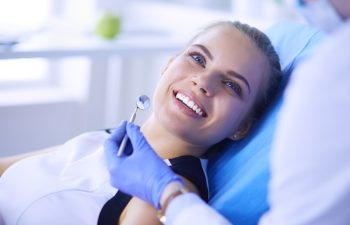
Every hour of every day, someone in the United States dies from oral cancer. That’s a startling statistic, but here’s another one that offers hope: when oral cancer is detected early, survival rates jump to 80-90 percent. The difference between those outcomes often comes down to a simple screening during your regular dental checkup—the kind of screening Dr. Nathan Patel performs for every patient at Livingston Family Dental.
April marks Oral Cancer Awareness Month, a time to highlight a disease that affects nearly 60,000 Americans each year but receives far less attention than other cancers. For families throughout Livingston Parish, understanding the risk factors, warning signs, and the critical role your dentist plays in early detection could genuinely save a life.
The Numbers Every Livingston Family Should Know
The American Cancer Society estimates approximately 59,660 Americans will be diagnosed with oral or oropharyngeal cancer in 2025, with about 12,770 losing their lives to the disease. That translates to roughly 132 new diagnoses every single day across the country.
Perhaps most concerning is the survival rate. When oral cancer is discovered at later stages—which happens far too often—the five-year survival rate hovers around just 40 percent. However, when the same cancer is caught early, that number climbs dramatically to 86 percent or higher. The difference isn’t better treatment at early stages—it’s simply earlier treatment. And earlier treatment starts with routine screenings.
What Exactly Is Oral Cancer?
Oral cancer can develop anywhere in the mouth, including the lips, tongue, cheeks, gums, floor of the mouth, roof of the mouth, and throat. These cancers typically begin as small, painless abnormalities that patients often dismiss or don’t notice at all. By the time symptoms become obvious enough to prompt a visit to the doctor, the cancer may have already progressed to a more advanced stage.
This is precisely why professional screenings matter so much. Dr. Patel and the team at Livingston Family Dental are trained to recognize subtle changes in oral tissue that patients simply cannot see or feel themselves. During routine checkups, these visual and tactile examinations take only minutes but provide invaluable peace of mind—and sometimes, lifesaving early detection.
Risk Factors: Some May Surprise You
While certain risk factors are well-known, others have only recently gained attention from researchers and healthcare providers.
- Tobacco Use: Smoking cigarettes, cigars, pipes, or using smokeless tobacco products significantly increases oral cancer risk. The longer and more frequently someone uses tobacco, the greater their risk becomes.
- Alcohol Consumption: Heavy alcohol use—defined as more than one drink daily for women or two for men—substantially raises the likelihood of developing oral cancer. When combined with tobacco use, the risk multiplies dramatically.
- HPV Infection: Human papillomavirus, particularly HPV16, has emerged as a primary driver of oropharyngeal cancers. In fact, HPV-related oral cancers have increased so significantly that they now surpass cervical cancer cases in males. This represents a major shift in who develops oral cancer and underscores the importance of HPV vaccination for adolescents.
- Sun Exposure: Prolonged sun exposure without protection increases the risk of lip cancer, particularly for those who spend significant time outdoors working or enjoying Louisiana’s sunny weather.
- Poor Nutrition: Diets low in fruits and vegetables have been linked to higher oral cancer rates. The antioxidants and vitamins found in produce appear to offer some protective benefit.
- Poor Oral Health: Chronic irritation from rough teeth, ill-fitting dentures, or ongoing gum disease may contribute to oral cancer development over time.
Warning Signs Worth Watching
Oral cancer often develops without causing pain in its earliest stages, which is why so many cases go unnoticed until they’ve progressed. However, certain symptoms warrant prompt attention from your dentist.
- Persistent Sores: Any sore in the mouth that doesn’t heal within two weeks deserves professional evaluation.
- Unexplained Patches: White patches (leukoplakia) or red patches (erythroplakia) on oral tissues can indicate precancerous or cancerous changes.
- Lumps or Thickening: Any unusual lump, bump, or thickened area in the mouth, throat, or neck should be examined promptly.
- Difficulty Swallowing or Chewing: Persistent problems with swallowing, chewing, or moving the tongue or jaw may signal something requiring attention.
- Numbness: Unexplained numbness in the mouth, lips, or face can sometimes indicate nerve involvement from abnormal tissue growth.
- Voice Changes or Ear Pain: Chronic hoarseness or persistent ear pain, particularly on one side, warrant investigation.
What Happens During an Oral Cancer Screening
Many patients don’t realize they’re receiving an oral cancer screening during their regular dental visits—it’s simply part of comprehensive care. At Livingston Family Dental, Dr. Patel conducts these screenings as part of every checkup, examining all the soft tissues of your mouth, throat, lips, and face.
The screening involves both visual examination and gentle palpation (touch) of the oral tissues, cheeks, jaw, and neck. Dr. Patel looks for any color changes, asymmetries, swelling, or unusual textures that might indicate abnormal cell growth. The entire process takes just a few minutes and causes no discomfort.
If anything concerning is discovered, Dr. Patel will discuss the findings with you and may recommend further evaluation or referral to a specialist. Most findings turn out to be benign, but early investigation of any abnormality remains the best approach.
Prevention Strategies That Make a Difference
While no strategy eliminates oral cancer risk entirely, certain choices significantly reduce the likelihood of developing the disease.
- Quit Tobacco: The single most impactful step any tobacco user can take is quitting. Risk decreases over time after stopping.
- Moderate Alcohol: Limiting alcohol consumption reduces oral cancer risk, particularly when combined with avoiding tobacco.
- Protect Your Lips: Use lip balm with SPF protection, especially during outdoor activities in Louisiana’s sunny climate.
- Eat Well: A diet rich in fruits and vegetables provides nutrients that support healthy cell function throughout the body.
- Consider HPV Vaccination: For parents of adolescents, the HPV vaccine provides protection against the virus strains most commonly linked to oral cancers. The vaccine is most effective when administered between ages 11-12.
- Maintain Regular Dental Visits: Keeping your scheduled dental appointments ensures you receive professional screenings at least twice yearly.
Why Your Dentist Is Your First Line of Defense
Dentists occupy a unique position in the healthcare system when it comes to oral cancer detection. Most adults visit their dentist more frequently than their primary care physician, and dental examinations naturally include thorough evaluation of all the areas where oral cancer commonly develops.
Dr. Nathan Patel, a graduate of LSU School of Dentistry and member of the American Dental Association and Academy of General Dentistry, understands that comprehensive care means looking beyond teeth and gums. His commitment to whole-patient wellness includes staying current with the latest developments in oral cancer detection and prevention.
For families throughout Livingston, Walker, and Denham Springs, this means access to potentially lifesaving screenings right here in the community—no specialist referral required for initial evaluation.
Schedule Your Screening at Livingston Family Dental
This April, during Oral Cancer Awareness Month, take a moment to consider when you last had a thorough oral cancer screening. If you’re due for a dental checkup, you’re due for a screening. If it’s been longer than six months since your last visit, now is the perfect time to schedule.
Early detection saves lives. The few minutes your screening takes could make all the difference.
Contact Livingston Family Dental today to schedule your appointment with Dr. Nathan Patel. Your smile—and your health—deserve attentive, compassionate care from a dentist who treats every patient like family.
Posted on behalf of
14088 Florida Blvd
Livingston, LA 70754
Phone: (225) 686-7778
Email: [email protected]
Opening Hours
Monday - Thursday 8:30am - 1pm, 2pm - 6pm
Wednesday 8:30am - 3pm
Thursday 8:30am - 2pm